Metallic Zinc, Not Zinc Oxide: What Vacuum Distillation Recovers
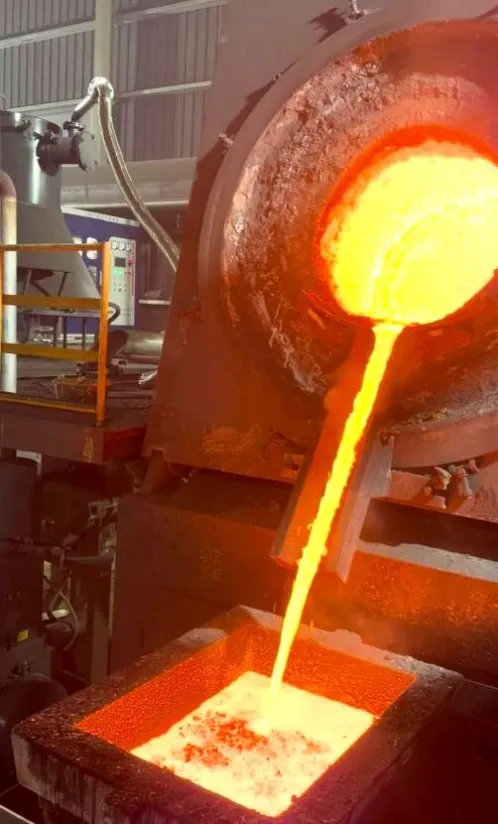
One of the first questions zinc recyclers ask is whether the recovered material comes out as usable metallic zinc or as zinc oxide dust that needs further processing. The answer decides the economics of the whole project, because metallic zinc blocks can be sold or re-melted directly, while oxide needs an additional reduction step.
Why vacuum condensation produces metallic zinc
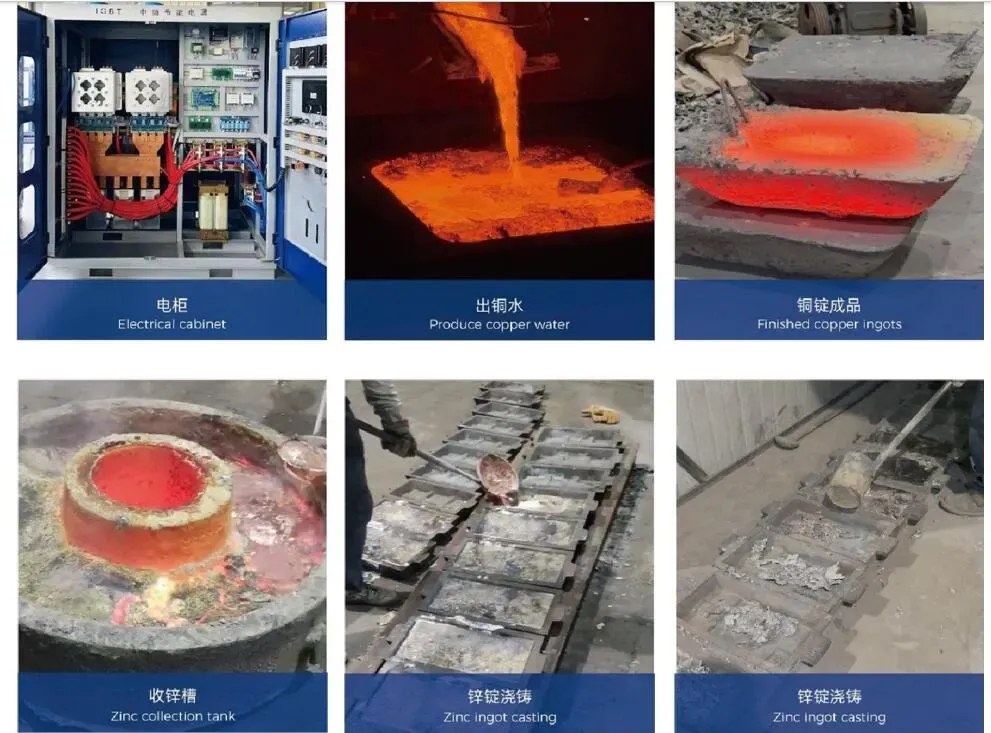
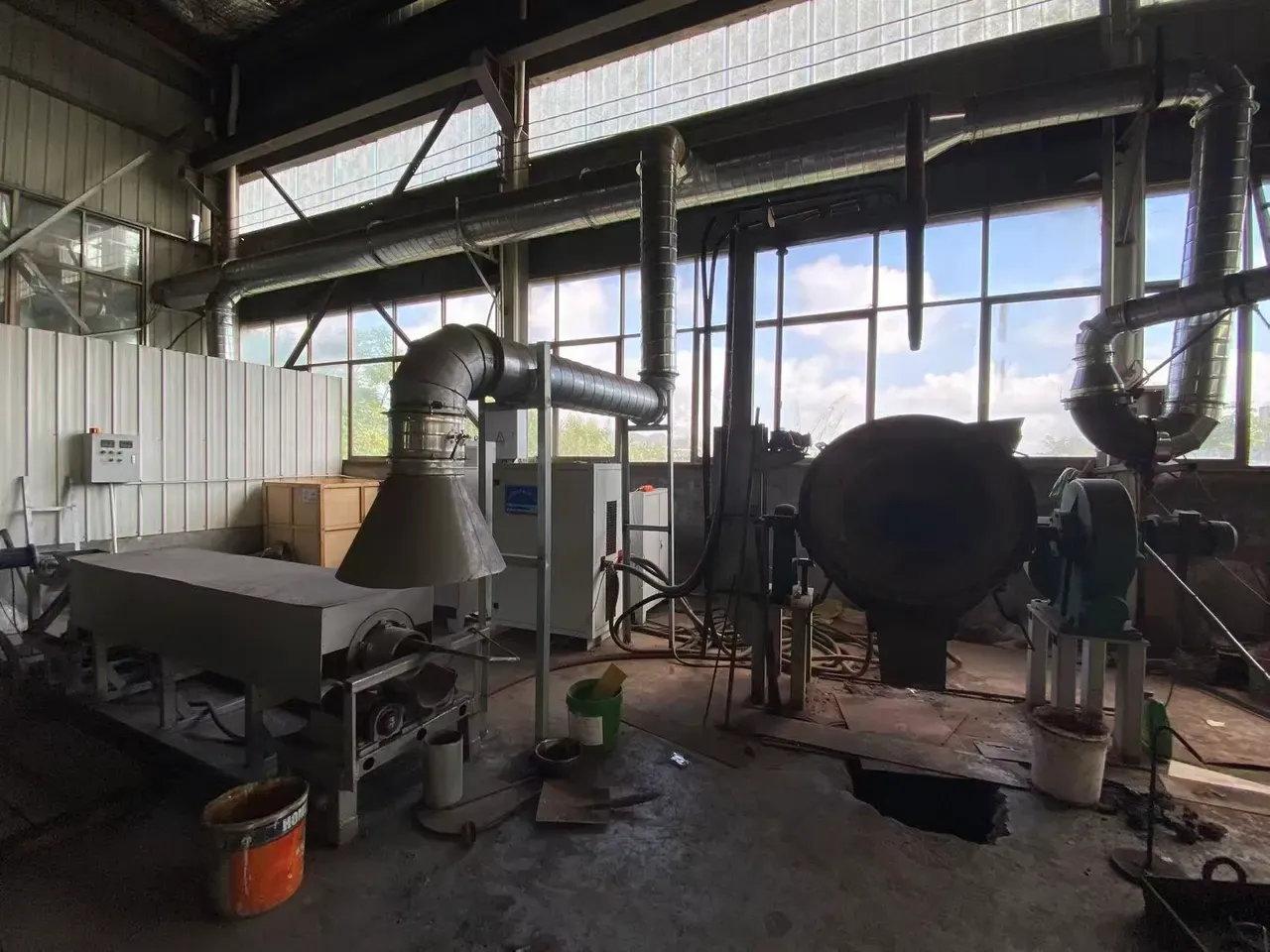
Inside a vacuum distillation furnace, the zinc vapor leaves the melt and travels to the condenser, where it touches water-cooled surfaces and solidifies. Because the process runs under vacuum, there is very little oxygen present — so the vapor condenses as metallic zinc instead of oxidizing into zinc oxide fume. The condensate is collected and cast into blocks.
Recovery rate and cross-contamination
On wheel balance weights and comparable lead-zinc feeds, zinc recovery reaches 95 to 96 percent. Cross-contamination stays low: approximately 1 percent zinc remains in the lead fraction and approximately 2 percent lead is carried in the zinc. Both fractions leave the furnace as separate metallic outputs.
What the recovered zinc is used for
The condensed zinc blocks are suitable for re-melting into ingots, alloying, or direct resale to zinc traders and galvanizing plants. Because the metal never oxidized, no reduction step is needed between the furnace and the market.
How the result is verified
Every batch can be verified with a mass balance: the weight of charged material is compared against the weight of recovered zinc blocks and the residual lead fraction. Samples from both outputs are analyzed to confirm the recovery rate and contamination levels, and the numbers are shared with the buyer before shipment.
Frequently asked questions
Does the zinc oxidize during distillation?
No. The furnace runs under vacuum, so oxygen is largely absent and the zinc vapor condenses as metal. Any fume that does form is captured by the dedusting system rather than ending up in the product.
What purity can be expected?
The zinc blocks carry approximately 2 percent lead contamination on this type of feed. The exact figure depends on the feedstock and is confirmed by laboratory analysis of a sample from each batch.
Can the recovered zinc be sold directly?
Yes. The blocks are cast for handling and can be sold to traders and galvanizing plants or re-melted in your own line. No intermediate chemical processing is required.
Work with the manufacturer
Pingxiang Xinchen Furnace supplies XCJD vacuum distillation furnaces from 1000 to 3000 kg per batch. Describe your feedstock at ferrytk898@gmail.com or WhatsApp +86 136 1799 5900 and we will share the recovery data measured on comparable material.