Why Feed Analysis Matters Before Buying a Lead-Zinc Separation Furnace
The most expensive mistake in buying separation equipment is ordering it before understanding your feed. Wheel balance weights, cable scrap and industrial dross all carry contamination — steel clips, surface coatings, oil and moisture — and the composition decides everything: the furnace size, the cycle time, the condenser load and the recovery rate you can expect.
What to test before ordering
A representative sample should tell you four things: the lead-to-zinc ratio, the steel clip content, the type and amount of surface coatings or contamination, and the moisture and oil level. Each of these changes the process: steel ends up in the residue, coatings feed the dust removal system, and moisture or oil affects the vacuum stage.
How the results change the configuration
The analysis feeds directly into the furnace configuration. A high zinc share justifies a larger condenser section; heavy clip content points to a larger residue handling setup; contaminated feed requires a stronger dedusting system. Getting these numbers first means the furnace you buy is sized for your material — not for an average customer.
In-house separation trials
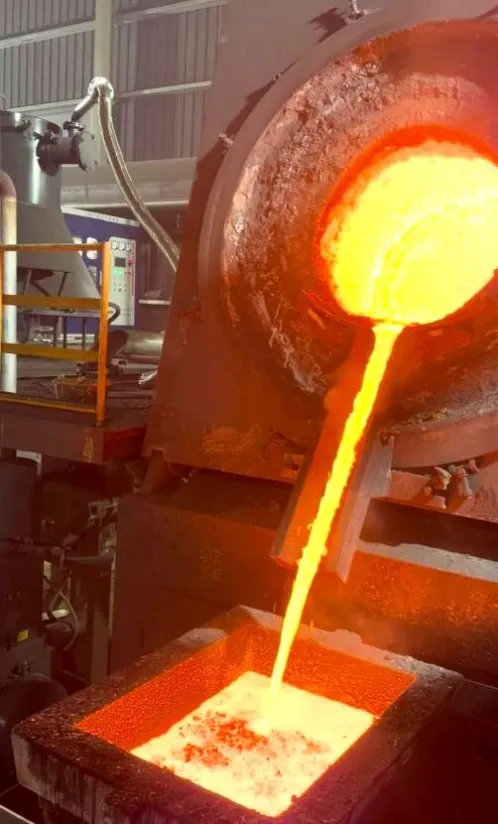
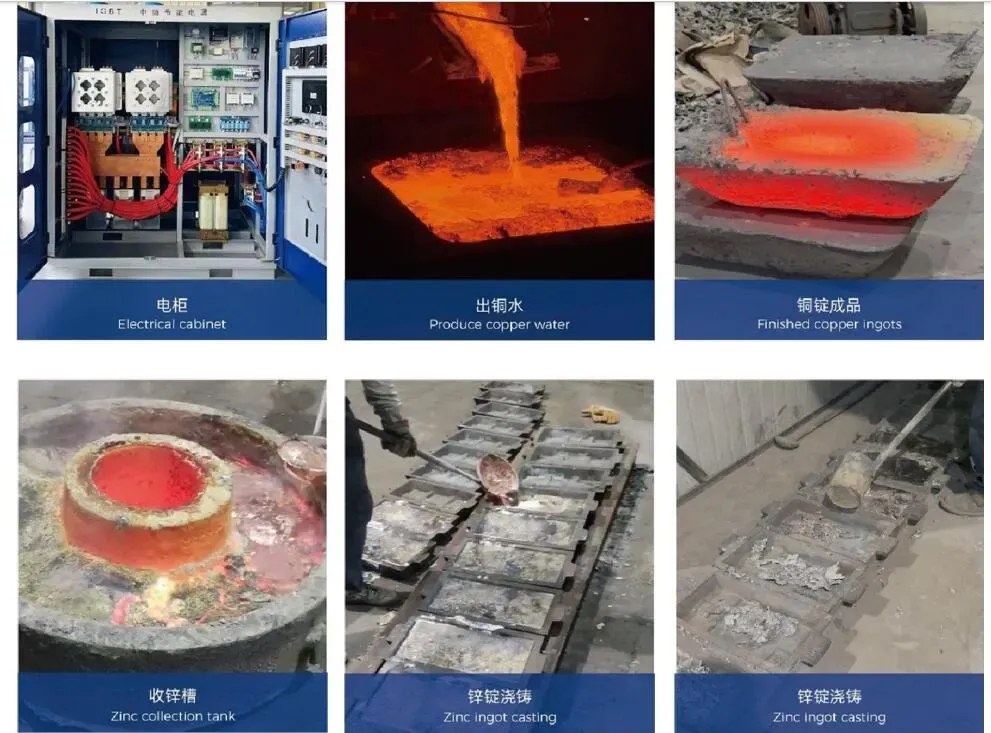
Separation trials are regularly run in-house on representative material. A trial produces a mass balance — charged material versus recovered zinc blocks and residual lead fraction — and samples from both outputs are analyzed to confirm recovery and contamination levels. Lead-zinc separation is a core, highly mature technology, so results on comparable material are a reliable preview of what your furnace will do.
Frequently asked questions
Can we send you a sample for testing?
Yes. Representative samples of your feed are regularly tested in-house, and the separation results — including the mass balance and analysis of both recovered fractions — are shared with you before you commit to an order.
How long does a separation trial take?
A trial batch typically takes a few working days. The full documentation, including the analysis of the zinc and lead fractions, follows shortly afterwards.
What if the feed composition changes over time?
Process parameters are adjusted to the current feed. Recyclers whose mix varies seasonally are advised to re-test periodically and keep the results with their operating records.
Work with the manufacturer
Pingxiang Xinchen Furnace tests representative feed samples in-house before quoting any separation project. Describe your material at ferrytk898@gmail.com or WhatsApp +86 136 1799 5900 and we will propose a trial and the matching furnace configuration.