Vacuum Separation Furnace
Vacuum Separation Furnace
Vacuum distillation furnace separating zinc and other volatile metals from multi-element alloys. XCJD series, 1000 to 3000 kg capacity, 1400 °C.
Specifications
- XCJD-1000KG
- Capacity 1000 KG | Configured power 320 KW | Max temp 1400°C | Melting time 3-4 H
- XCJD-1500KG
- Capacity 1500 KG | Configured power 450 KW | Max temp 1400°C | Melting time 3-4 H
- XCJD-3000KG
- Capacity 3000 KG | Configured power 500 KW | Max temp 1400°C | Melting time 3-4 H
By taking advantage of the differences in boiling points of various metals in a vacuum environment, the volatile zinc in lead, bismuth, gold, silver, copper and other multi-element alloys is extracted and volatilized, which reduces the blowing time of subsequent processes of the remaining gold, silver and copper alloys and lowers energy consumption. When vacuum distillation technology is used to process materials such as aluminum-zinc alloys, copper-zinc alloys, lead-zinc alloys, tin-zinc alloys, iron-zinc alloys and nickel-zinc alloys, if the focus is on recovering zinc and other valuable metals, zinc can be separated from the alloys in the form of zinc vapor.
Equipment structure
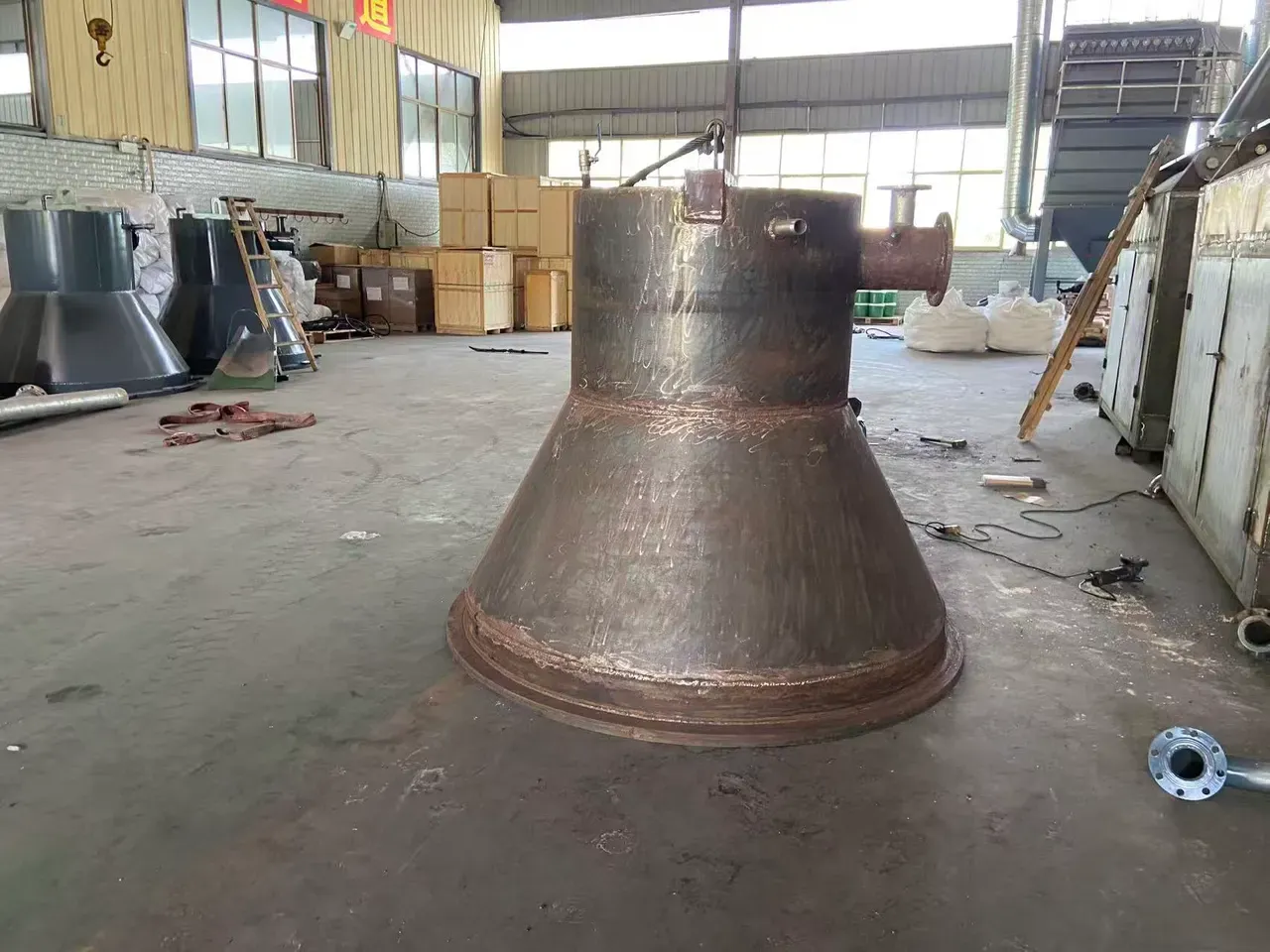
Furnace body: made of high-temperature resistant materials (such as graphite or special ceramics), it can withstand high temperatures above 1000 °C and vacuum environments, with a portioning area, heating area and condensation area. Vacuum system: the vacuum pump set (mechanical pump + diffusion pump) maintains the low pressure inside the furnace (10^-3 to 10^-1 Pa), reducing the temperature required for metal evaporation. Heating device: induction heating. Condenser: collects zinc vapor and condenses it into solid zinc powder or liquid zinc through a water cooling or air cooling system. Control system: automatically regulates temperature, vacuum degree and condensation rate to ensure separation efficiency.
Process flow
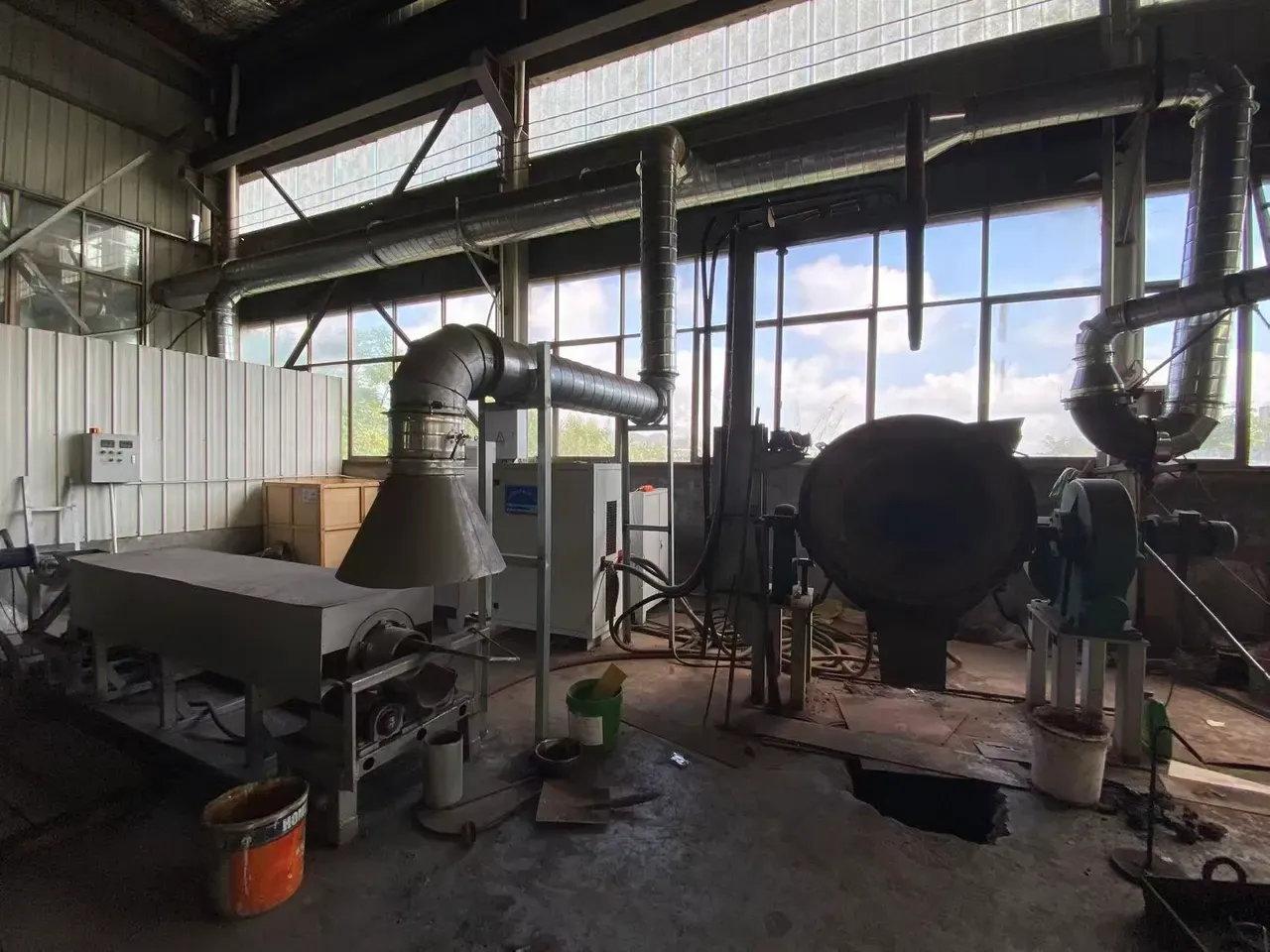
Zinc-containing materials are fed into the furnace, then vacuuming, melting and distillation follow. After separation, the cooled zinc liquid flows into the zinc collection tank, while copper liquid or aluminum liquid remains in the furnace. The system includes a transformer, variable frequency power supply control cabinet, cooling tower and circulating water pool on the power side, and bag-type dust removal with dust collection on the exhaust side.
Main components
Vacuum furnace body; vacuum cover; vacuum unit; vacuum electrical cabinet.
Application scenarios
Metal recycling; recycling and purification of renewable resources; foundry industry; laboratory research; environmental protection industry.