Case Study: Recovering Zinc from Copper-Zinc Alloy with a Vacuum Separation Furnace
Pingxiang Xinchen Furnace, an industrial furnace manufacturer in Pingxiang, Jiangxi, China, supplied the equipment for this project. A zinc recycling plant was processing copper-zinc and lead-zinc alloys from brass scrap and hot-dip galvanizing dross. The plant needed to recover the zinc content without long oxidation blowing times, and to keep the remaining copper alloy ready for the next refining step.
The challenge
Conventional recovery of zinc from multi-element alloys relies on oxidation blowing, which takes long, burns off zinc as dust, and leaves the remaining gold, silver and copper alloys with a long follow-up process. The buyer wanted higher direct recovery of zinc as castable metal, lower energy per ton, and a closed exhaust path with bag-type dust removal.
The equipment
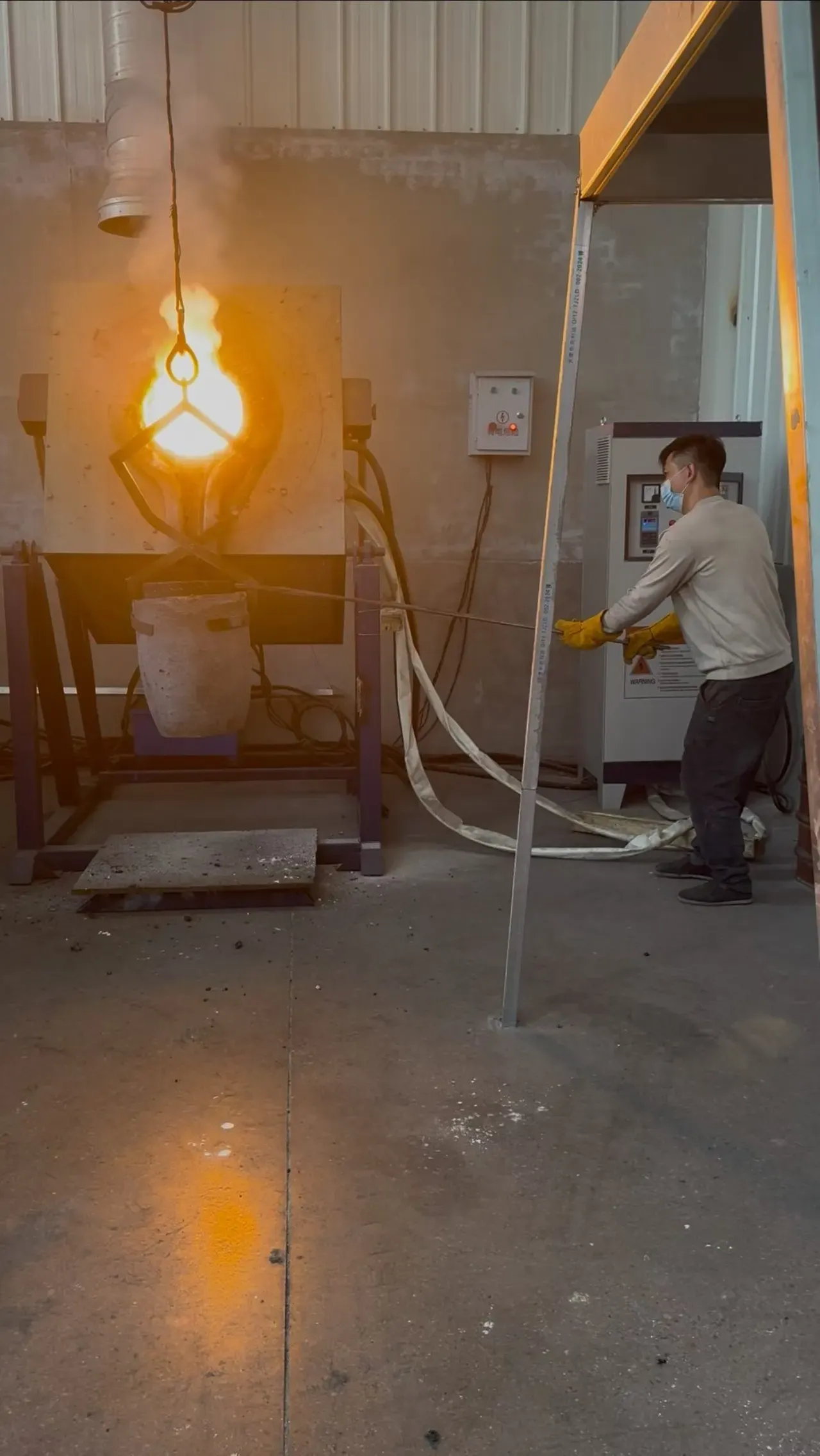
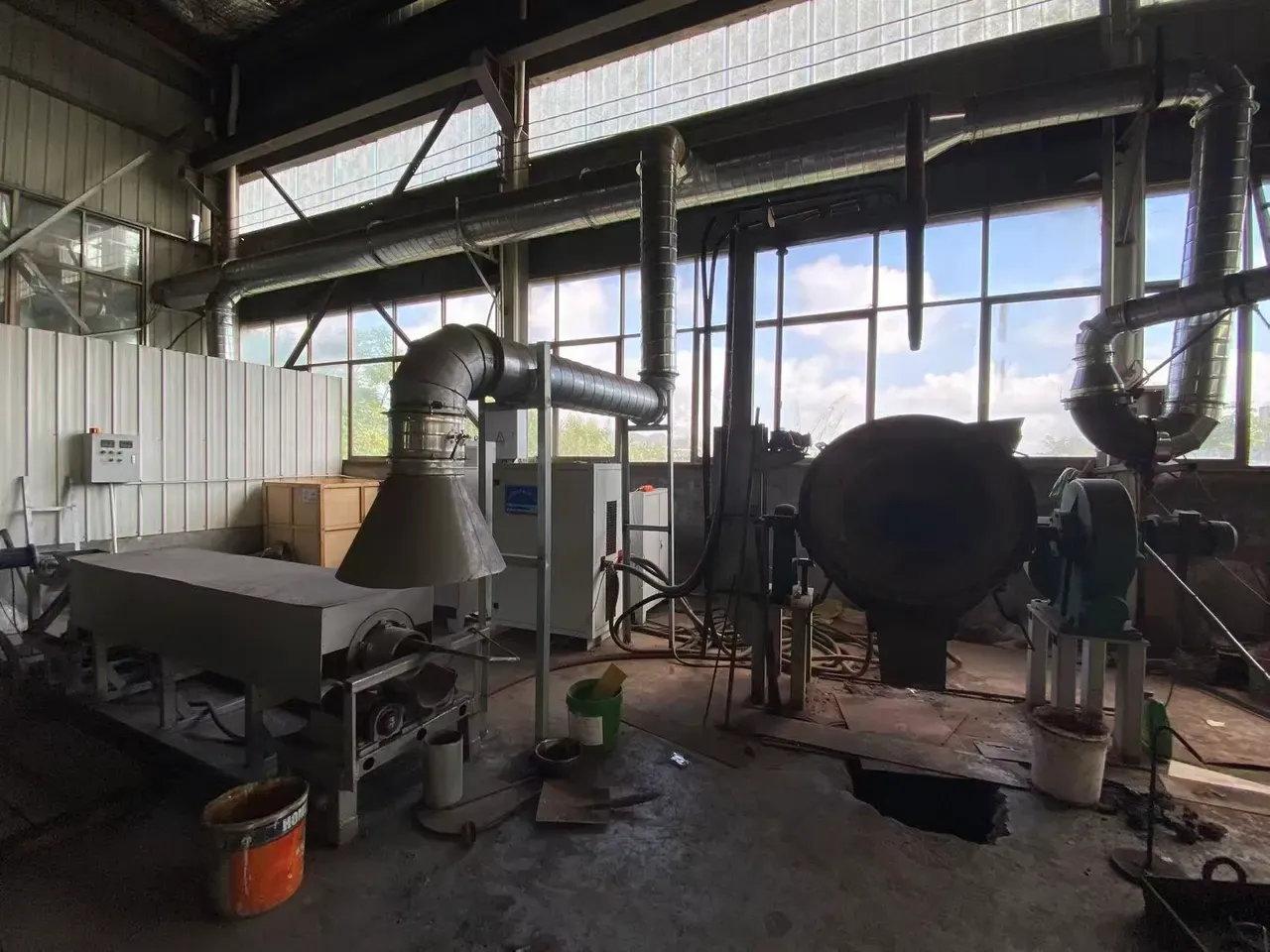
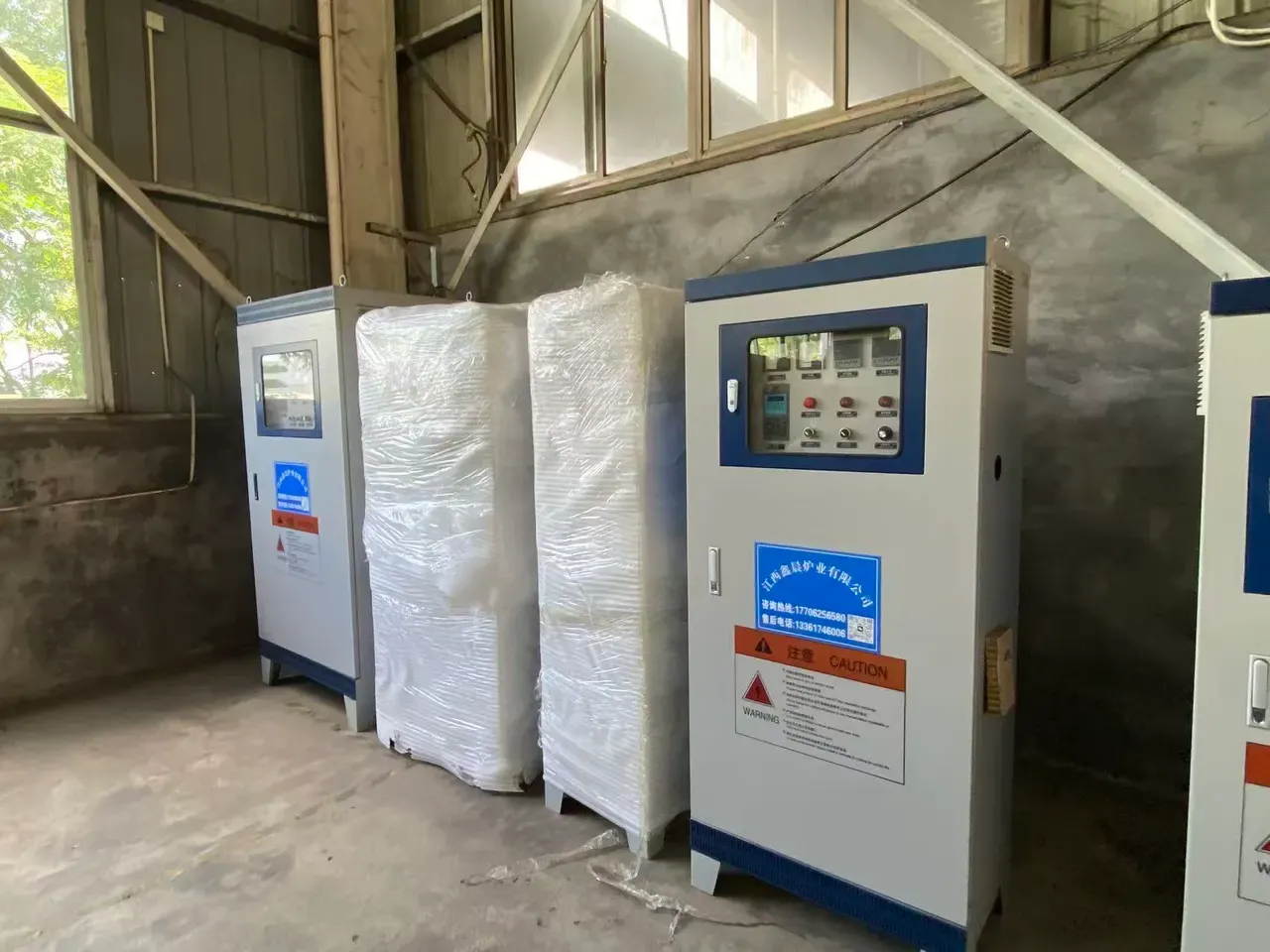
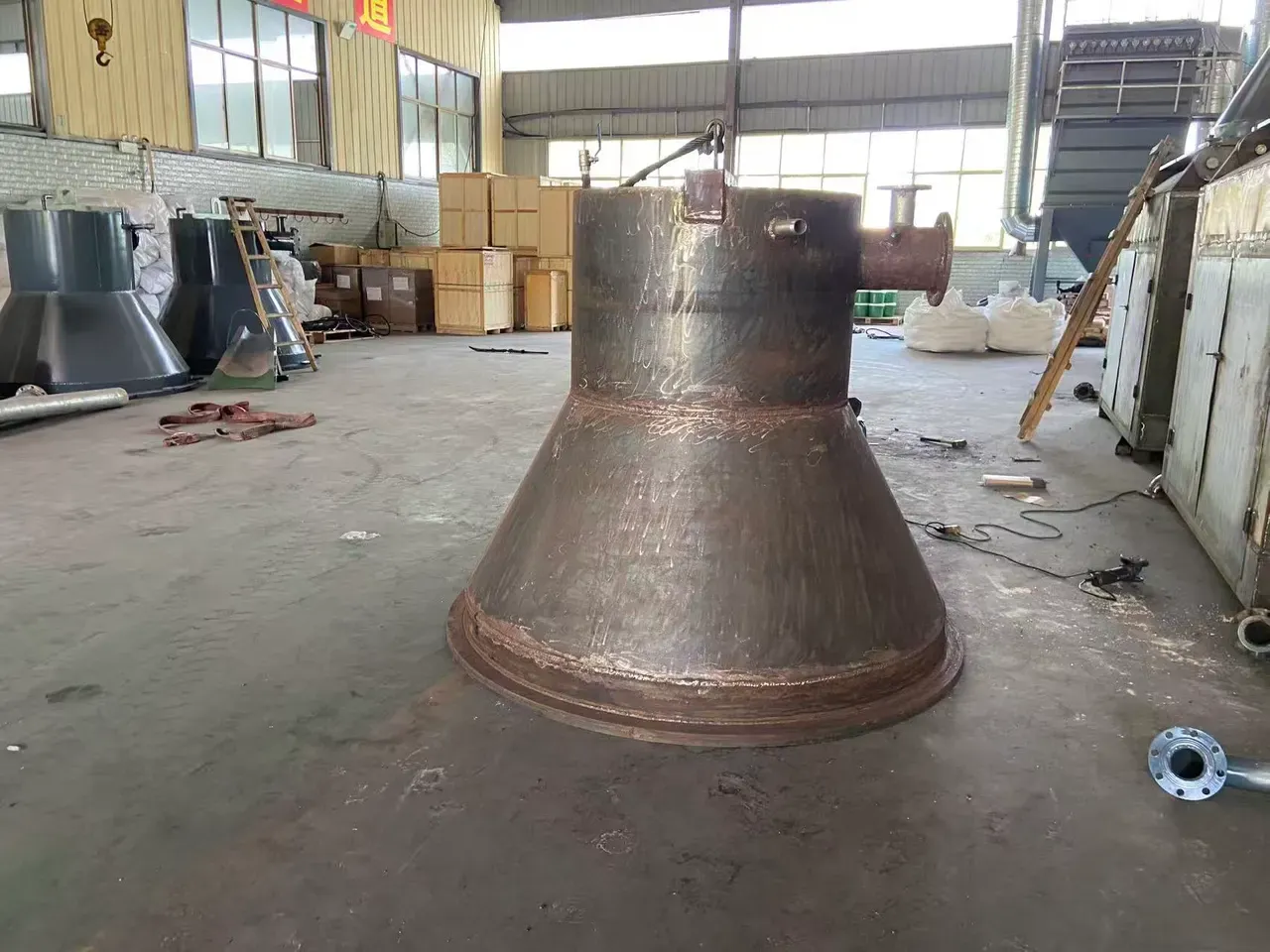
We supplied an XCJD series vacuum separation furnace with 1000 to 3000 kg batch capacity and a maximum operating temperature of 1400 °C. The furnace body is made of high-temperature resistant materials with a portioning area, heating area and condensation area. A vacuum pump set maintains 10^-3 to 10^-1 Pa inside the furnace, which lowers the temperature required for zinc evaporation. The complete set includes the vacuum furnace body, vacuum cover, vacuum unit and vacuum electrical cabinet, plus a transformer, variable frequency power supply control cabinet, cooling tower and circulating water pool on the power side.
The process
Zinc-containing material is charged into the furnace, then vacuuming, melting and distillation follow. Zinc evaporates at reduced pressure and is collected in the condenser as solid zinc powder or liquid zinc, which flows into the zinc collection tank and is cast into zinc ingots. Copper liquid or aluminum liquid remains in the furnace and moves to the next refining step with a much shorter blowing time than before. Exhaust gas passes through cyclone and bag-type dust removal before discharge.
The result
The plant now recovers zinc directly as ingots instead of losing it as dust, shortens the follow-up refining of the remaining copper alloy, and lowers energy consumption per ton. The same principle applies to aluminum-zinc, lead-zinc, tin-zinc, iron-zinc and nickel-zinc alloys whenever zinc and other valuable metals need to be separated in the form of zinc vapor.
Key specifications (XCJD vacuum separation series)
XCJD-1000KG: capacity 1000 kg, configured power 320 KW, max temperature 1400 °C, melting time 3-4 h. XCJD-1500KG: 1500 kg, 450 KW, 1400 °C, 3-4 h. XCJD-3000KG: 3000 kg, 500 KW, 1400 °C, 3-4 h. Vacuum system maintains 10^-3 to 10^-1 Pa; condenser with water cooling or air cooling collects zinc as powder or liquid.
Configurations available
XCJD-1000KG: capacity 1000 kg, configured power 320 KW, max temperature 1400 °C, melting time 3-4 h. XCJD-1500KG: capacity 1500 kg, 450 KW. XCJD-3000KG: capacity 3000 kg, 500 KW. Contact us with your alloy composition and batch size for a quotation.
Work with the manufacturer
Pingxiang Xinchen Furnace manufactures these systems in Pingxiang City, Jiangxi Province, China, and ships worldwide with export packing, operation manuals and remote commissioning support. Send your material, capacity and application details to ferrytk898@gmail.com or WhatsApp +86 136 1799 5900 — our engineers reply with a quotation within one business day.